
Get Utility Trenching in Littleton, CO
Utility trenching services in Littleton, CO help property owners install or repair underground cables, pipes, and wiring for projects like new fences, irrigation, or utility hookups.
Utility trenching is a common step in preparing properties for various upgrades and installations, such as new electrical lines, irrigation systems, or communication cables. Property owners in Littleton, CO, often explore trenching services to ensure these projects are completed efficiently and safely, minimizing disruption to their land and structures. Whether planning a new landscaping feature or upgrading existing utilities, connecting with experienced local contractors can help ensure the work is done properly and in line with local regulations.
For those considering utility trenching, comparing options among local service providers can be a practical approach to find the right fit for their specific project needs. Many local contractors in Littleton have the expertise to handle a variety of trenching tasks, offering solutions tailored to different property types and project scopes. Continuing to explore available options can help property owners make informed decisions as they plan their upcoming projects.
- Utility Trenching - needed when installing or repairing underground utilities such as water, gas, or electrical lines in neighborhoods like Highlands Ranch, CO.
- Utility Trenching - required for laying new communication cables or fiber optic lines in commercial or residential areas of Littleton, CO.
- Utility Trenching - necessary when upgrading or replacing aging utility infrastructure in areas with dense development, including nearby suburbs.
- Utility Trenching - used for connecting new buildings to existing utility networks in neighborhoods undergoing construction or expansion.
- Utility Trenching - needed for maintenance or emergency repairs to underground utility lines in residential communities or business districts.
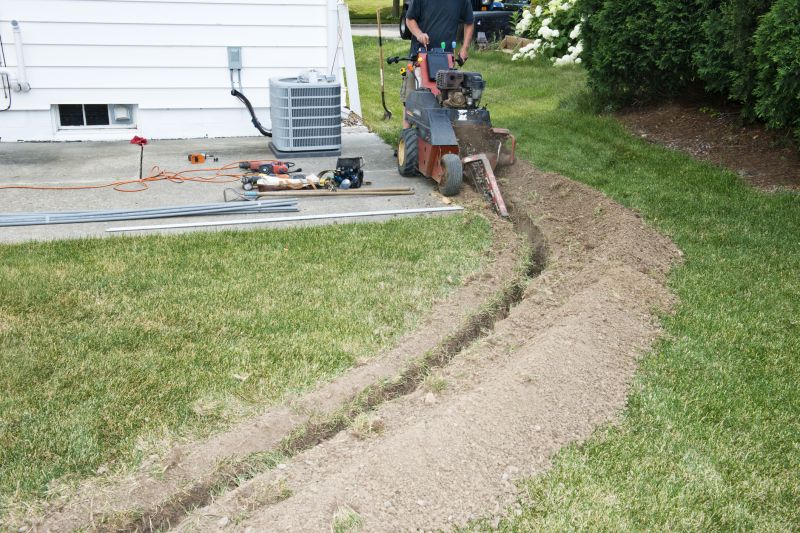


Utility trenching services involve digging narrow, deep channels in the ground to lay or repair underground utility lines. This process is essential for installing new electrical wiring, water pipes, gas lines, or telecommunications cables beneath the surface of a property. Skilled contractors use specialized equipment to create precise trenches that minimize disruption to landscaping and structures, ensuring the infrastructure is safely and securely embedded underground. Proper trenching is crucial for the long-term performance and safety of utility connections, helping to prevent future issues such as leaks, outages, or damage caused by shifting soil or accidental cuts.
This service helps address common problems associated with outdated or damaged underground utilities. For example, homeowners may need trenching when upgrading their electrical system to support new appliances or solar panels. It is also necessary when repairing broken water lines or gas pipes that have become corroded or shifted over time. Additionally, trenching can be part of installing new outdoor lighting, irrigation systems, or internet wiring, especially when existing pathways are unavailable or unsuitable. By creating a clear, protected route for these utilities, trenching helps prevent costly repairs and service interruptions down the line.
Properties that typically require utility trenching include residential homes, commercial buildings, and multi-unit complexes. In residential settings, trenching is often needed during major renovations, landscaping projects, or new construction. Homes with large yards or mature landscaping may require careful planning to avoid damaging existing trees and plants. Commercial properties, such as office parks or retail centers, often need trenching for installing or upgrading utility infrastructure to support their operations. Multi-family developments or apartment complexes may also require extensive trenching to connect multiple units to essential utilities, ensuring reliable service for tenants.
Homeowners in Littleton, CO, and nearby areas might find utility trenching services necessary when undertaking projects that involve underground utilities. Whether installing a new sprinkler system, upgrading electrical wiring for a home addition, or repairing a damaged water line, experienced local contractors can handle the trenching work efficiently. Recognizing the need for trenching early in a project can help prevent delays and ensure that all underground utilities are safely and properly installed or repaired. Contacting trusted service providers can provide the expertise needed to complete these tasks effectively, supporting the safety and functionality of a property’s utility systems.
The overview below groups typical Utility Trenching projects into broad ranges so you can see how smaller, mid-sized, and larger jobs often compare in Littleton, CO.
In many markets, a large share of routine jobs stays in the lower and middle ranges, while only a smaller percentage of projects moves into the highest bands when the work is more complex or site conditions are harder than average.
Small Repairs - Typical costs for minor utility trenching projects, such as replacing a few feet of conduit or cable, range from $250 to $600. Many routine jobs fall within this middle range, with fewer projects reaching the higher end for additional complexities.
Medium-Scale Trenching - For longer trench runs or multiple utility lines, local contractors often charge between $1,000 and $3,000. Larger, more complex projects can exceed this range, especially if additional permits or extensive site prep are needed.
Full Utility Replacement - Complete replacement of existing utility lines or extensive trenching across larger property sections typically costs from $3,500 to $7,000. These projects are less common and usually involve significant excavation and coordination.
Large or Complex Projects - Major trenching jobs, such as installing new utility infrastructure for commercial properties, can reach $10,000 or more. Such projects are less frequent and depend heavily on site conditions and project scope.
Actual totals will depend on details like access to the work area, the scope of the project, and the materials selected, so use these as general starting points rather than exact figures.
Underground Utility Installation - local contractors often handle the installation of underground cables, pipes, and conduits, requiring similar trenching skills and planning as utility trenching projects.
Drainage System Excavation - installing or repairing drainage and stormwater systems involves excavation and trenching methods comparable to those used in utility trenching services.
Fiber Optic Cable Deployment - laying fiber optic cables underground in residential or commercial areas involves precise trenching and planning, similar to utility conduit installation.
Gas Line Installation - installing or repairing underground gas lines requires careful trenching, safety precautions, and coordination with utility plans, aligning with utility trenching expertise.
Electrical Conduit Installation - running electrical conduits underground for new construction or upgrades involves trenching techniques and site planning akin to utility trenching work.
Storm Sewer Construction - building or upgrading storm sewer systems involves excavation and trenching skills comparable to those needed for utility infrastructure projects.
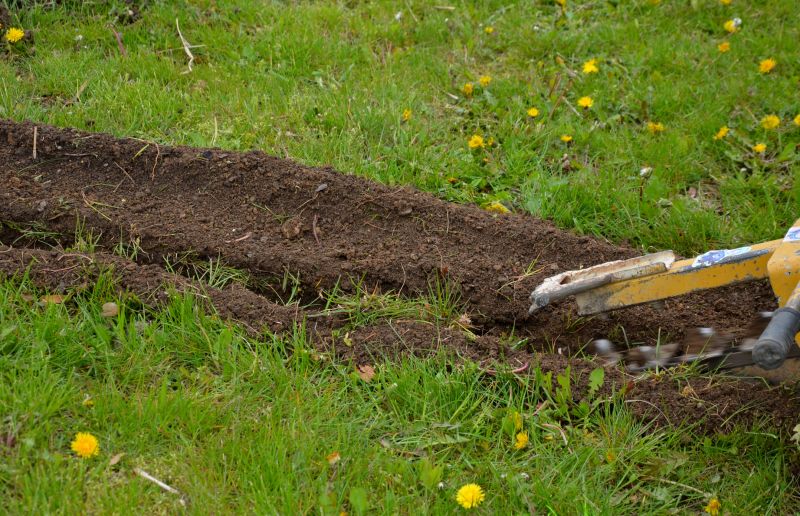
When comparing contractors for utility trenching services in Littleton, CO, it’s important to consider their experience with similar projects. Homeowners should look for service providers who have a track record of handling trenching work comparable to the scope and complexity of their specific needs. Asking for details about past projects can help gauge whether a contractor has the practical knowledge and skills necessary to complete the work efficiently and effectively. An experienced local contractor will be familiar with the unique considerations of the area, including soil conditions and local regulations, which can contribute to a smoother project process.
Clear, written expectations are essential when evaluating utility trenching services. Homeowners should seek out providers who can offer detailed descriptions of their services, including the scope of work, materials used, and any specific procedures involved. Having these expectations documented helps ensure everyone is on the same page and reduces the potential for misunderstandings. It’s also beneficial to ask how the contractor plans to approach the project, what steps they will take to minimize disruptions, and how they handle unforeseen issues that may arise during trenching work.
Reputable references and strong communication are key indicators of a dependable local contractor. Homeowners should inquire about references from previous clients who had similar trenching projects, as these can provide insights into the contractor’s reliability, workmanship, and professionalism. Good communication throughout the process-such as responsiveness to questions and clarity about project details-can make a significant difference in the overall experience. While the site introduces homeowners to local service providers capable of performing utility trenching, it does not perform the work itself. Instead, it aims to connect homeowners with qualified local contractors who can handle the job effectively based on their experience, clear expectations, and reputation.
Property owners in Littleton, CO use Utility Trenching services for practical projects around their homes and businesses. This guide focuses on everyday jobs and straightforward project options.
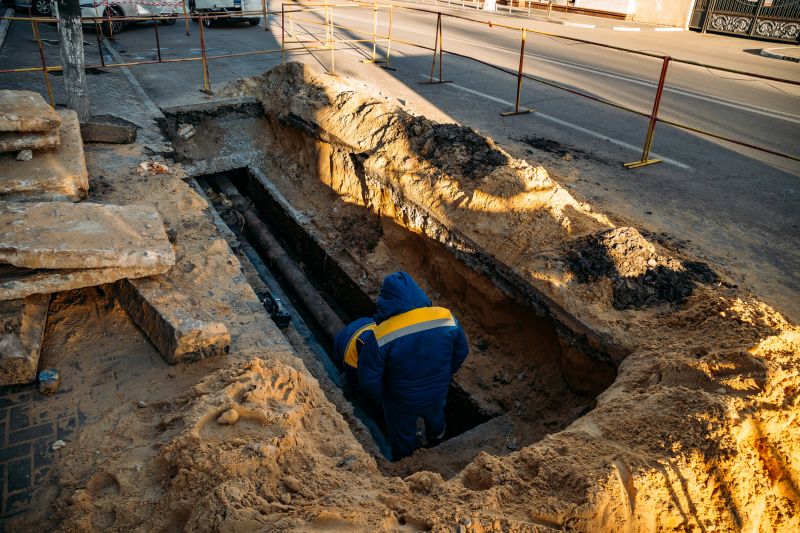

Utility trenching services are commonly needed for a variety of everyday projects around properties in Littleton, CO. Property owners might require trenching when installing new underground utilities such as water lines, electrical wiring, or sewer pipes to ensure proper connections for homes or businesses. Additionally, those planning to add outdoor features like irrigation systems or fencing may seek trenching solutions to bury lines and cables safely and efficiently, avoiding disruption to existing landscaping or structures.
Local contractors can assist with trenching for routine repairs or upgrades, helping property owners prepare for new installations or maintenance work. Whether upgrading outdated utility lines or setting up new connections, having experienced service providers handle the trenching ensures the work is done correctly and safely. Contacting local pros can provide the expertise needed to complete these common projects smoothly and with minimal hassle.
What is utility trenching used for? Utility trenching is typically used to install or repair underground utilities such as water lines, electrical cables, gas pipes, and communication cables in residential or commercial properties.
What types of trenching equipment do local contractors use? Contractors often use specialized trenching machines, such as walk-behind trenchers or excavators, to create precise and efficient trenches for utility installation or repair projects.
How deep are utility trenches usually dug? The depth of utility trenches varies depending on the type of utility and local regulations, but they generally range from 18 inches to several feet deep to ensure safety and proper utility placement.
What factors can affect the complexity of utility trenching projects? Factors like soil type, underground obstacles, existing infrastructure, and project size can influence the complexity and scope of utility trenching work performed by local service providers.
How do local contractors ensure proper utility trenching? Experienced contractors follow best practices for excavation safety, proper trench slope, and backfilling techniques to ensure the integrity and safety of underground utility installations.
Underground Utility Installation - Property owners can have local contractors install underground electrical, water, or gas lines to improve safety and reduce surface clutter.
Drainage and Sewer Trenching - Trenching services can help set up proper drainage systems or sewer lines to prevent flooding and manage waste effectively.
Landscape and Garden Projects - Trenching can be used to lay irrigation systems or underground wiring for outdoor lighting to enhance yard functionality.
Foundation and Structural Work - Utility trenching supports foundation upgrades or repairs by providing access for necessary utility connections or reinforcements.
If you are thinking about Utility Trenching for a property in Littleton, CO, this guide is meant to help you understand the work, the typical project types, and how different options might fit your plans.
When you are ready, you can use the quote form on this page to share a few details about your project. From there, local pros can review the basics and respond with options that match what you have in mind.